Marketing in 2026 is shifting from pure promotion to product-driven, human-first, and AI-powered experiences. Marketers are becoming product builders, SEO blogging is making a strong comeback, and internal influencers are replacing traditional brand spokespeople.
The world of marketing keeps evolving — and 2026 is shaping up to be one of the most transformative years yet. From the way marketers work to how brands connect with audiences, the landscape is being reshaped by technology, human behavior, and cultural shifts. Below, we break down the key trends that savvy marketers should watch — and act on — this year.
In 2026, marketing isn’t just about generating demand — it’s about shaping the product experience itself.
Marketers are taking a seat at the product development table, using tools that make prototyping and ideation easier than ever. This trend is driven by the lower barriers to creating digital products — from APIs to easy-to-use design tools — which means marketers who understand product strategy will become your company’s biggest assets.
The age of dismissing SEO as “dead” is over — especially when high-quality blog content still ranks, gets cited by AI search engines, and drives targeted traffic.
In 2026, we’re focusing less on generic blog posts and more on hyper-specific, conversion-driven content that answers real searcher intent and guides readers toward decisions — not just clicks.
UGC and influencer marketing continue to be strong, but a new trend is emerging: internal influencer programs.
Rather than hiring external creators, companies are empowering employees to share stories, insights, and expertise on social platforms. This boosts authenticity, reduces costs, and builds trust — because people prefer hearing from real team members rather than faceless brands.
AI isn’t just generating images and copy anymore — it’s powering more compelling video content.
From personalized short clips to narrative-driven creative, generative AI tools are enabling marketers to produce video ads that feel more authentic and engaging — at a fraction of the cost and time of traditional production. But the key isn’t just using AI — it’s directing it with good storytelling and strategy.
Marketing in 2026 is more than just visibility — it’s about embedding growth into the product itself.
Brands are building features, communities, and experiences that naturally encourage sharing and collaboration — so every user becomes a promoter. Think viral loops, community contributions, and peer-to-peer referrals that feed themselves.
Design isn’t just about aesthetics anymore — it’s a storytelling and communication skill that determines how audiences experience your content, products, and brand.
In a world saturated with AI-created content, taste and design sensibility are what separate compelling experiences from forgettable ones. Whether it’s content layout, product UI, or visual storytelling, design is marketing’s winning edge.
People buy from people they trust, not faceless corporations.
Human-first media — think newsletters, personal podcasts, community forums, and thought leadership — is becoming more valuable than traditional advertising because it fosters deeper trust and connection. Brands that invest here will win long-term engagement.
While digital tools and platforms dominate, consumers in 2026 crave real-world connection more than ever.
Phygital experiences — where physical and digital intersect — are becoming a key strategy for brands to create memorable, shareable moments that extend beyond screens into real life.
Marketing AI isn’t just for automation anymore — it’s being used for effective growth outcomes.
In 2026, brands are shifting from using AI solely to save time and money to using it to drive measurable performance, from predictive analytics to creative personalization.
Digital audiences aren’t passive anymore — they want to participate.
Gen Z and younger consumers are remixing, co-creating, and shaping how brands tell stories. Campaigns that invite participation get more traction than those that just broadcast messages.
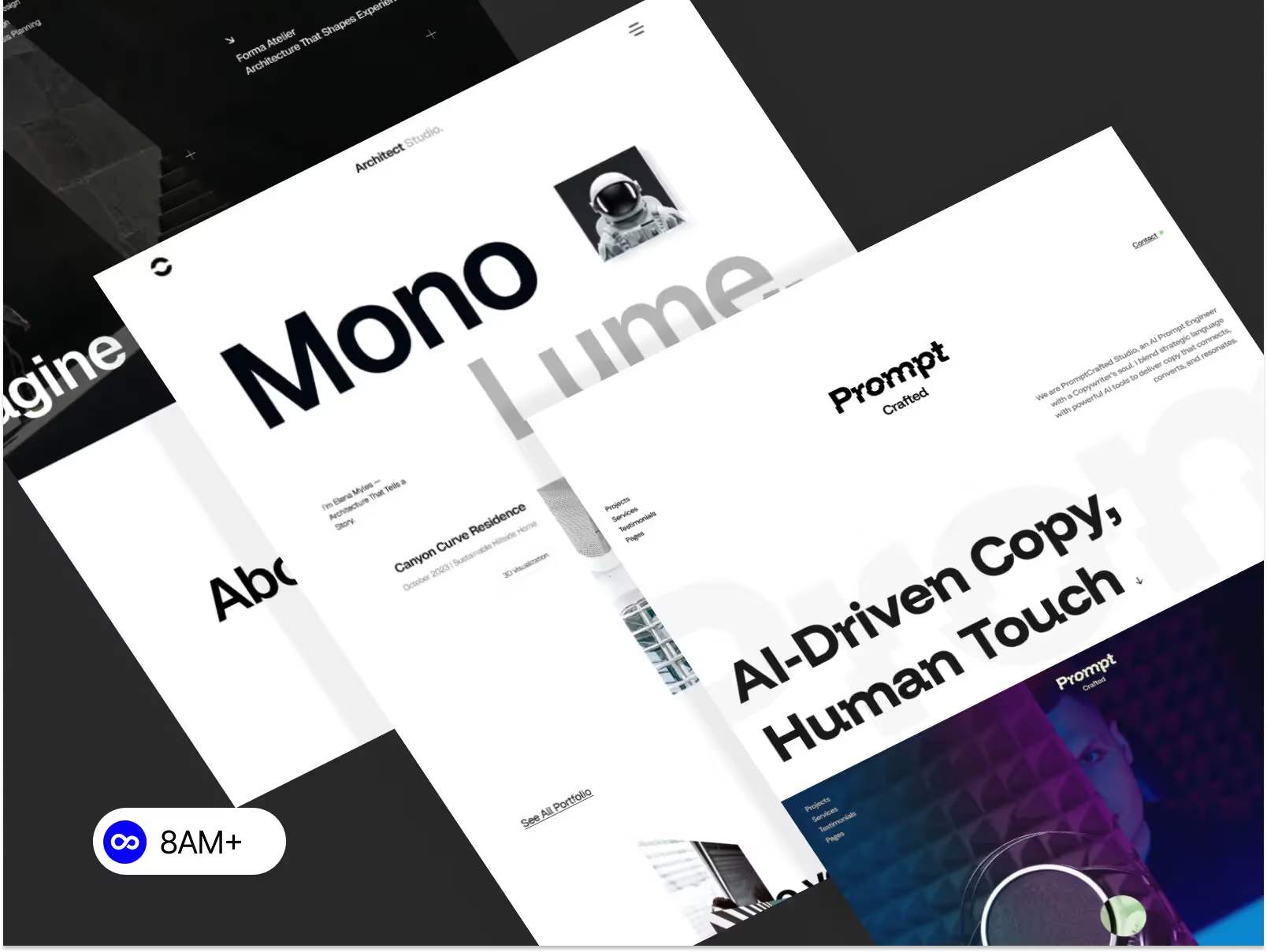
If you’re looking to stand out online with ready-to-use Webflow designs, go to 8am.design and explore Webflow templates ready for use — perfect for marketers, startups, and creators who want beautiful sites without building from scratch.
2026 is a year where human creativity meets smart technology. Brands that balance automation with authenticity, and strategy with empathy, will lead the pack.
If you want to thrive in this landscape, embrace the trends above — but remember: strategy always beats shortcuts.




.svg)
.svg)
.svg)